Model Analysis
Updated August 2026Segway Ninebot MAX G3 Plus: The 56-Mile Claim and the 21.2 Measured Miles
The short answer
The MAX G3 Plus is the largest electric scooter launch of 2026 and the sharpest claimed-versus-measured range gap on record. Segway claims 56 miles. Electric Scooter Guide, an independent publication, rode one to a stop and got 21.2 miles, or 38% of the claim, with roughly 18 of those miles at high speed. Both numbers are real; they describe different rides. Buy it for the hydraulic suspension, the brakes and the 717Wh battery, and plan around something closer to 25 miles than 56.
Evidence and availability
This record is built from Segway's own product listing plus a named independent measurement, both linked below. Electric Scooter Guides has not ridden this scooter; the performance figures below are either manufacturer claims or another publication's measurements, and each is labelled as such.
Catalog status: Available. Released 4 August 2026 at a $1,149.99 launch price against a $1,499.99 MSRP; the launch promotion ran to 24 August 2026.
Published specifications
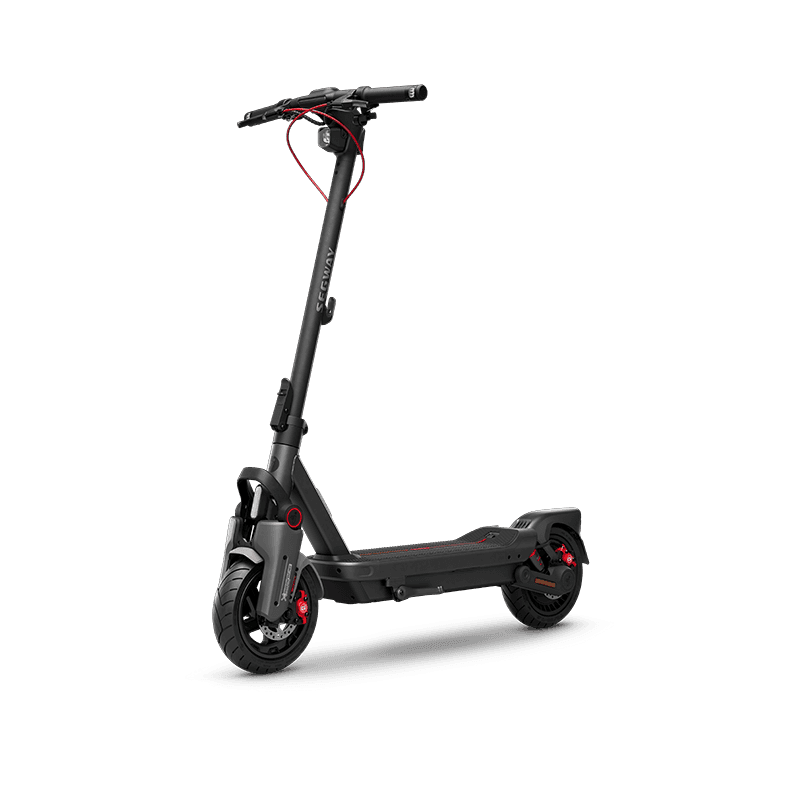
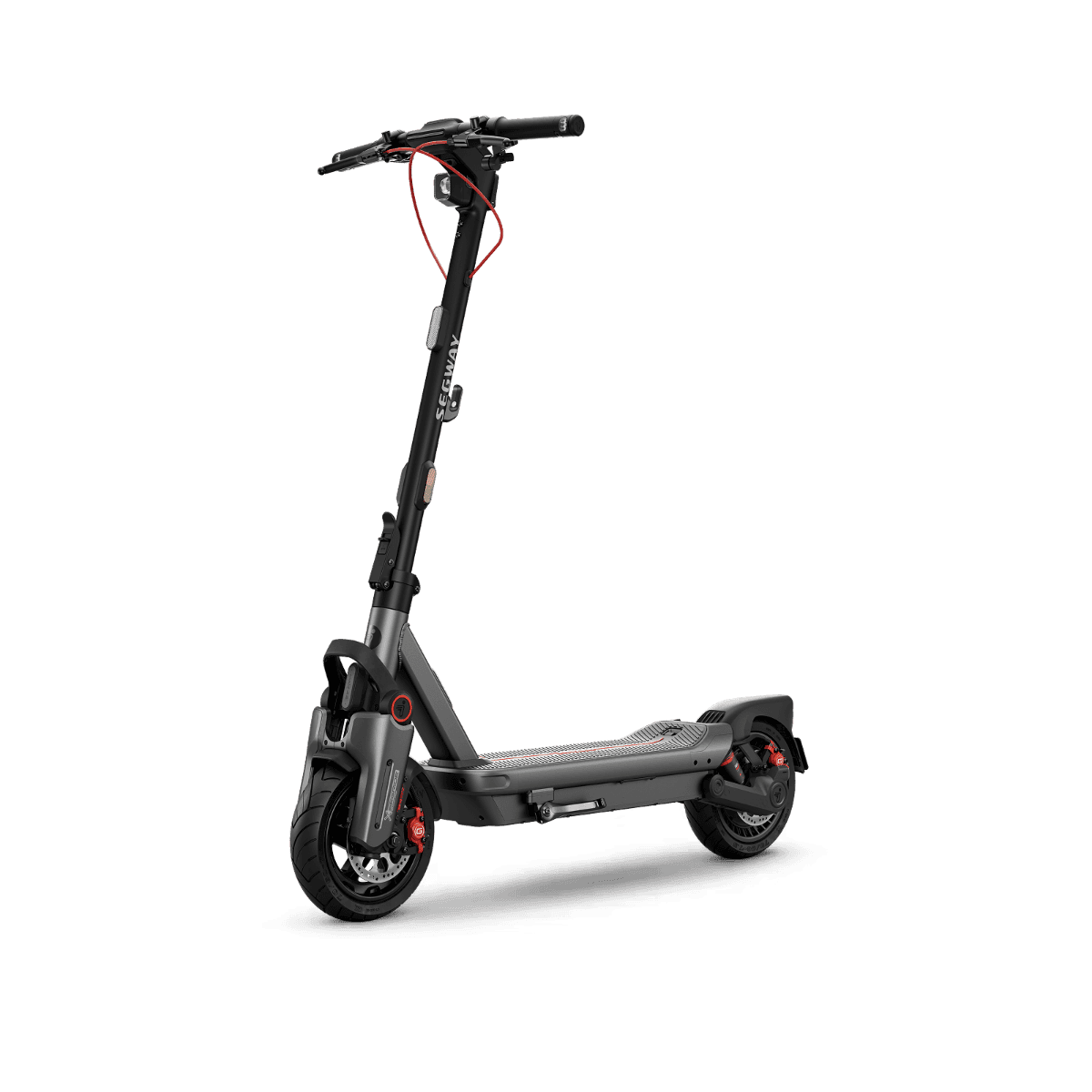
Segway lists a claimed maximum range of 56 miles, a claimed top speed of 28 mph, a 2,200W peak rear motor, a 717Wh battery, front and rear hydraulic suspension, 11-inch self-sealing tubeless tyres, 140 mm ventilated disc brakes and an IPX6 water-resistance listing. Measured weight is 55.1 lb. Segway does not publish a maximum rider load on the listing, so that field stays blank rather than being estimated.
Independent measurements
Electric Scooter Guide (electricscooterguide.com, a separate publication) recorded the following, with an approximately 200 lb rider riding quickly in Sport mode over hills with starts and stops:
- Range: 21.2 miles against the 56-mile claim, with about 18 miles available before the scooter began restricting performance.
- Top speed: 28 mph indicated, with GPS reading roughly 1 mph lower. The speed claim, unlike the range claim, essentially holds.
- Quarter-mile hill climb in 37.52 seconds; braking from around 16 mph in 13 to 14 feet.
- Around 25 to 26 mph still available at 21% battery, which is better voltage-sag behaviour than most commuter scooters manage.
A deliberate maximum-performance run is the harshest possible reading of a range claim, and it is the right one for anyone who intends to use the 28 mph the scooter advertises. A lighter rider cruising at 10 mph on flat ground would land far closer to Segway's figure.
Why the two numbers differ so much
Segway states that the MAX G3 Plus is the first of its scooters to use a revised range methodology, which stops measuring once the scooter can no longer hold 60% of the selected mode's top speed rather than running the battery flat. That is a more honest protocol than the industry norm and the claim is still 2.6 times the measured figure, because the underlying variable is speed: claimed range across this category is quoted at 9 to 10 mph. The mechanism is set out in full in the guide to why electric scooter range claims are wrong, and the model-by-model record is in claimed versus measured range.
How it compares
The standard MAX G3 claims 50 miles at 10 mph and was independently measured at 24.9 miles with a 28 mph top speed by ERideHero — slightly further than the Plus on a gentler run, which says more about the two riding styles than about the two scooters. The Plus adds the larger 717Wh pack, the 2,200W peak motor, rear turn signals and better brakes. See the MAX G3 and the MAX G2, which was measured at 29.8 miles by ERideHero and 26.6 by RiderGuide.
What to verify before buying
Confirm the current price directly, because Segway's own store and its retail partners have listed the same scooters several hundred dollars apart. Check the replacement-battery path and its cost, the wear-part channel, charger certification and the local speed limit — a 28 mph scooter is above the 20 mph line several US states draw, and Segway applies a shipping restriction in New York State for scooters over 20 mph. An IPX6 listing is a water-resistance rating, not permission to ride through standing water.
Frequently asked questions
Does the Segway MAX G3 Plus really go 56 miles?
No. The 56-mile figure is quoted at 10 mph. Electric Scooter Guide measured 21.2 miles with a roughly 200 lb rider in Sport mode over hills, about 18 of those miles at high speed. Plan for the low-to-mid twenties.
What is the difference between the MAX G3 and the MAX G3 Plus?
The Plus has a 717Wh battery in place of 597Wh, a 2,200W peak motor, 140 mm ventilated disc brakes that Segway rates at 15% shorter stopping distance, dedicated rear turn signals and front and rear hydraulic suspension. Both claim 28 mph.
How fast is the Segway MAX G3 Plus?
28 mph claimed and 28 mph indicated in independent riding, with GPS reading roughly 1 mph lower. It still held 25 to 26 mph at 21% battery, which is better voltage-sag behaviour than most commuter scooters manage.
Is the MAX G3 Plus worth the extra over the MAX G3?
For braking and sustained power under load, yes. For range, no like-for-like measurement of the two exists and both realistically deliver low-to-mid twenties of miles at speed. Buy it for the hardware, not for the 56-mile claim.
Comparison guidance
Use the comparison tool for a side-by-side catalog check, then open each model page and follow its source link. Blank fields stay blank instead of being estimated. The Ownership Lab explains how operational, hands-on, manufacturer-researched, preview, and legacy evidence are separated.